
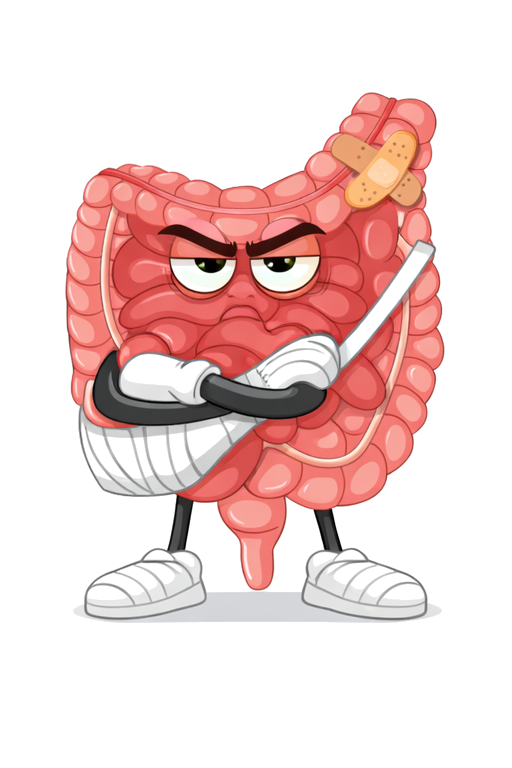
Abdominal adhesions are bands of scar tissue that physically bind internal tissues and organs together, often connecting loops of the intestines to each other, nearby organs, or the abdominal wall. This condition, which develops in more than 90% of people who undergo open abdominal surgery, significantly alters the body’s internal environment and can devastatingly impact a person’s quality of life.
Physical Impact on the Body
Adhesions disrupt the natural “visceral glide,” where internal organs normally have slippery surfaces to shift easily during movement. Their presence leads to several physical complications:
- Intestinal Obstruction: Adhesions can cause kinks, twists, or compressions of the intestines, blocking food from passing through. This may manifest as partial or complete blockages, the latter of which is a life-threatening emergency.
- Gastrointestinal Distress: Common physical symptoms include severe abdominal pain, cramping, bloating, vomiting, and constipation. Victims may experience a “distended abdomen” and an inability to pass gas for hours during episodes. Conversely, some may experience fecal incontinence.
- Systemic Tension: Because the body’s fascia (connective tissue) is an interconnected web, abdominal restrictions can influence distant areas, affecting breathing, posture, and hip mobility.
- Long-term Damage: If left unchecked, adhesions can lead to bowel ruptures, sepsis, and organ damage or failure as organs are bound and restricted. Chronic pain and restricted digestion can also result in nutritional deficits, hormonal imbalances, and a persistent feeling of being “toxic” or “septic”.
Impact on Quality of Life
The sources describe living with unchecked abdominal adhesions as akin to torture, impacting every facet of a person’s existence.
- Social and Personal Relationships: Sufferers often shy away from social gatherings and outings because they are physically unprepared for sudden movement or a potential episode. The condition can lead to a “disconnection” from family; children may grow up with a parent who is frequently a “nonfunctional lump” in bed, and spouses may feel helpless while their partner “screams into the night”.
- Professional and Financial Devastation: The unpredictable nature of episodes—which can last for days—leads to frequent job loss and missed promotions. This creates a cycle of financial instability due to medical bills, insurance copays, and the loss of medical coverage when employment is terminated.
- Mental and Emotional Toll: Patients frequently face “medical gaslighting,” where their pain is dismissed by professionals as “all in your head” or “just gas” because adhesions are often invisible on standard imaging tests. This leads to chronic health anxiety, depression, and a fundamental loss of trust in the medical community.
- Daily Functioning: Simple acts like eating become sources of anxiety. Some may adopt “starvation diets,” avoiding full meals for years because eating exacerbates the pain. Even clothing must be modified, as tight waistbands can trigger episodes by pushing organs together.
Analogy: You can think of abdominal adhesions as nature’s duct tape used in excess; while scar tissue is meant to heal, too much of it “glues” your internal plumbing together, causing the entire system to backup and strain against the sticky, restrictive bonds.